
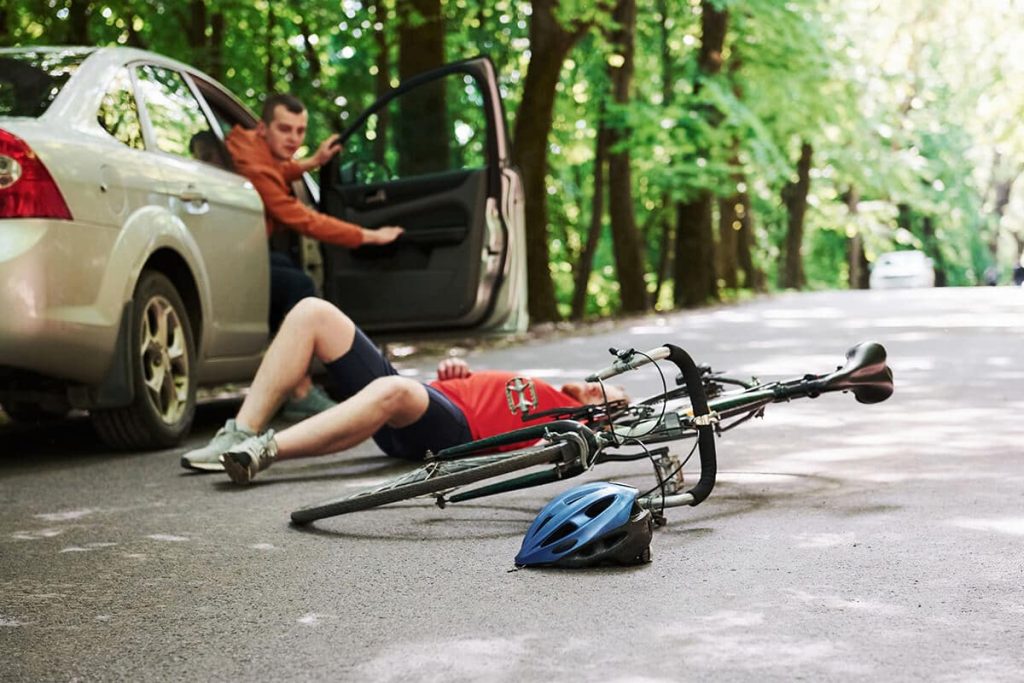
Every year, thousands of cyclists suffer serious injuries due to preventable accidents on our roads. With urban cycling increasing by over 30% since 2020 and cities expanding bike lane infrastructure, understanding what causes bicycle accidents has never been more critical. Whether you’re a daily commuter or weekend recreational rider, knowing these common causes can help you stay safe and understand your legal rights if the worst happens. In this comprehensive guide, we’ll explore the leading factors behind bicycle accidents, how they’ve evolved in 2026, and when you might need to contact bicycle accident lawyers for legal assistance.
Driver negligence: the leading cause of cycling accidents
Motor vehicle drivers remain the primary cause of serious bicycle accidents, accounting for the majority of cyclist injuries and fatalities. The most common forms of driver negligence include failing to yield right-of-way, running red lights or stop signs, and making unsafe turns without checking for cyclists. Distracted driving has become an epidemic, with smartphone use while driving increasing dramatically since 2020. Drivers checking phones, adjusting GPS systems, or engaging with in-car entertainment systems often fail to notice cyclists sharing the road. This distraction factor has made intersections particularly dangerous, where split-second awareness can prevent tragic accidents. Aggressive driving behaviors also contribute significantly to bicycle accidents. Drivers who speed, tailgate, or deliberately crowd cyclists create extremely hazardous conditions. In 2026, road rage incidents involving cyclists have unfortunately increased in many metropolitan areas, making legal representation from a qualified bicycle injury law firm essential for victims seeking justice.Common driver errors that cause bicycle accidents
Infrastructure and road design problems
Poor road infrastructure continues to be a major contributing factor to bicycle accidents in 2026. Many cities still lack adequate cycling infrastructure, forcing cyclists to share narrow roads with fast-moving traffic. Inadequate bike lanes, missing signage, and poorly maintained road surfaces create dangerous conditions for even the most experienced cyclists. Construction zones present particularly hazardous conditions for cyclists. Temporary barriers, debris, and unclear detour routes often force cyclists into traffic lanes with inadequate protection. Many bicycle accident lawyers report seeing increased cases related to construction zone injuries, especially in rapidly growing urban areas. Intersection design flaws remain problematic in 2026. Many intersections lack proper cyclist visibility enhancements, dedicated signal phases for cyclists, or clear marking of bike lanes through crossing areas. These design deficiencies contribute to the high percentage of bicycle accidents occurring at intersections.| Infrastructure Problem | Accident Risk Level | Most Common Injuries | Legal Considerations |
|---|---|---|---|
| Missing bike lanes | High | Vehicle collisions, road rash | Municipality liability |
| Poor road surface | Medium | Falls, fractures | Maintenance negligence |
| Inadequate lighting | High | Head trauma, multiple injuries | City planning liability |
| Confusing signage | Medium | Intersection collisions | Design defect claims |
Weather and environmental conditions
Environmental factors play a significant role in bicycle safety, with weather conditions being a primary concern. Rain, snow, and ice create slippery road surfaces that increase the risk of falls and reduce braking effectiveness for both cyclists and drivers. Wet conditions reduce tire traction by up to 40%, making emergency stops much more difficult. Poor visibility during dawn, dusk, or nighttime hours contributes to many serious accidents. Even with proper lighting equipment, cyclists can be difficult for drivers to see during these low-light conditions. Fog and heavy rain further reduce visibility, creating dangerous situations where split-second reactions determine outcomes. Wind conditions, particularly strong crosswinds or sudden gusts, can cause cyclists to lose control or be pushed into traffic lanes. Experienced bicycle injury law firm attorneys often see cases where unexpected weather changes contributed to accidents, especially when combined with other factors like poor road maintenance or driver negligence.High-risk weather conditions for cyclists
Cyclist behavior and equipment failures
While external factors cause most serious bicycle accidents, cyclist behavior and equipment issues also contribute to collision risk. Failing to follow traffic laws, such as running stop signs or riding against traffic, puts cyclists in dangerous situations. Approximately 20% of bicycle accidents involve some degree of cyclist error, though this rarely eliminates the liability of negligent drivers. Equipment failures, particularly brake malfunctions and tire blowouts, can lead to serious accidents. Regular bicycle maintenance is crucial for safety, but even well-maintained bikes can experience sudden mechanical failures. When equipment defects cause accidents, product liability claims may be appropriate alongside personal injury cases. Inadequate safety equipment usage remains a concern. While helmet laws vary by location, wearing proper protective gear significantly reduces injury severity. However, the absence of a helmet doesn’t prevent cyclists from pursuing legal action when accidents result from driver negligence or infrastructure problems.Emerging risks in 2026: e-bikes and technology
The explosive growth of electric bicycles has introduced new risk factors to cycling safety. E-bikes travel at higher speeds than traditional bicycles, often catching drivers off guard who expect slower-moving cyclists. E-bike accidents have increased by 60% since 2023, presenting new challenges for both safety advocates and bicycle accident lawyers. Technology integration in cycling, while beneficial in many ways, has also created new distraction risks. Cyclists using smartphone apps for navigation, fitness tracking, or communication may pay less attention to their surroundings. Smart bike technology, including integrated displays and connectivity features, can similarly divert attention from road conditions and traffic. The rise of bike-sharing programs has put many inexperienced cyclists on busy streets with unfamiliar equipment. Users often lack proper safety training or knowledge of local traffic laws, increasing accident risk. Additionally, shared bikes may not receive the same level of maintenance attention as personally owned bicycles, potentially leading to equipment-related accidents.

Legal implications and when to contact RHD Legal
Understanding the causes of bicycle accidents is crucial for determining legal liability and pursuing appropriate compensation. When driver negligence, infrastructure defects, or product failures cause bicycle accidents, injured cyclists have legal rights that deserve protection. RHD Legal specializes in bicycle accident cases and understands the complex factors that contribute to cycling injuries. Many bicycle accident victims underestimate the long-term impact of their injuries or fail to recognize when multiple parties may bear liability. Insurance companies often attempt to minimize settlements by blaming cyclists for accidents, even when clear evidence of driver negligence exists. Having experienced legal representation ensures your rights are protected throughout the claims process. Time is critical in bicycle accident cases. Evidence can disappear quickly, witness memories fade, and important deadlines for filing claims may expire. Contacting a qualified bicycle injury law firm immediately after an accident ensures proper investigation and preservation of crucial evidence for your case.Signs you need legal representation
Prevention strategies and safety recommendations
While understanding accident causes is important for legal purposes, prevention remains the best protection for cyclists. Defensive riding techniques, including maintaining awareness of surrounding traffic and anticipating driver behavior, significantly reduce accident risk. Cyclists who consistently use hand signals and maintain proper positioning in traffic lanes experience fewer close calls and accidents. Proper equipment selection and maintenance cannot be overstated. High-quality lights, reflective clothing, and well-maintained brakes are essential safety investments. In 2026, smart safety technology like collision detection systems and automatic brake lights are becoming more accessible and effective for preventing accidents. Route planning and timing considerations also play important roles in cycling safety. Avoiding high-traffic roads during rush hours, choosing routes with dedicated bike infrastructure, and planning for weather conditions help minimize exposure to dangerous situations. RHD Legal encourages all cyclists to prioritize safety while understanding that accidents can still occur despite reasonable precautions. When accidents do happen, knowing your legal rights and having access to qualified legal representation makes all the difference in obtaining fair compensation for your injuries. Our team understands the unique challenges facing bicycle accident victims and fights to ensure responsible parties are held accountable for their negligence.Common mistakes to avoid after bicycle accidents
Many bicycle accident victims make critical mistakes immediately following their accidents that can faradize their legal cases. The most common error is failing to call police and obtain an official accident report, even for seemingly minor incidents. Insurance companies often deny claims without proper documentation, making police reports essential for establishing fault and liability. Another frequent mistake is admitting fault or apologizing at the accident scene. Adrenaline and shock can cloud judgment, leading cyclists to accept blame even when they bear no responsibility for the collision. Anything said at the scene can be used against you later, making it crucial to stick to factual statements about what happened. Delaying medical attention is perhaps the most dangerous mistake bicycle accident victims make. Some injuries, particularly head trauma and internal injuries, may not present immediate symptoms. Seeking prompt medical evaluation creates important documentation of your injuries and ensures potentially serious conditions are identified and treated properly. For a better idea of where we’re located, take a look on Google Maps. Finally, many cyclists attempt to handle insurance negotiations alone, often accepting inadequate settlements that fail to cover their full damages. Insurance adjusters are trained professionals whose job is minimizing payouts. Having experienced bicycle accident lawyers level the playing field and ensure you receive fair compensation for your injuries, lost wages, and other damages.Conclusion
Understanding the common causes of bicycle accidents empowers cyclists to stay safer on the road while recognizing when legal action may be necessary. Driver negligence remains the leading cause of serious cycling injuries, followed by infrastructure problems and environmental factors. When accidents occur despite reasonable safety precautions, injured cyclists deserve experienced legal representation to protect their rights and secure fair compensation. The evolving landscape of cycling in 2026, including the growth of e-bikes and new safety technologies, continues to present both opportunities and challenges for cyclist safety. Whether you’re dealing with a recent accident or want to understand your legal rights as a cyclist, RHD Legal is here to help. Our experienced team understands the unique complexities of bicycle accident cases and fights tirelessly for our clients’ rights. Contact us today to discuss your situation and learn how we can help you navigate the legal process while you focus on recovery.Frequently asked questions
What should I do immediately after a bicycle accident?
Document the scene with photos, exchange contact and insurance information with the driver, and gather witness statements. Avoid admitting fault or discussing the accident details beyond basic facts with anyone except police officers.
How long do I have to file a bicycle accident lawsuit?
The statute of limitations for bicycle accident cases varies by state, typically ranging from one to three years from the accident date. However, some cases involving government entities may have much shorter deadlines. It’s crucial to consult bicycle accident lawyers as soon as possible to ensure your rights are protected.
Can I still recover compensation if I wasn't wearing a helmet?
Yes, not wearing a helmet doesn’t prevent you from pursuing compensation if another party’s negligence caused your accident. While helmet use may be considered in determining damages, it rarely eliminates your right to recovery. Many states don’t require adult helmet use, and driver negligence remains the primary factor in most bicycle accident cases.
What types of compensation can I recover in a bicycle accident case?
Bicycle accident victims may recover compensation for medical expenses, lost wages, pain and suffering, property damage, and future medical needs. In cases involving permanent disability, compensation may include loss of earning capacity and ongoing care costs. Experienced bicycle injury law firm attorneys can help identify all applicable damages.
How do I prove the driver was at fault for my bicycle accident?
Proving driver fault requires evidence such as police reports, witness statements, traffic camera footage, and expert accident reconstruction. Physical evidence from the accident scene, including skid marks and vehicle damage, also supports fault determination. Your attorney will gather and analyze all available evidence to build a strong case..
