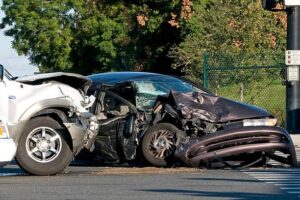
Who is liable after a self-driving car accident? Depending on the crash, responsibility can fall on the human driver, the automaker, the software developer, a parts supplier, or another motorist, and often more than one. If you were injured in an autonomous vehicle crash in North Carolina, a Raleigh car accident lawyer at RHD Legal can help you determine who is responsible.
Key Takeaways
- Self-driving car accidents present unique legal challenges.
- Liability may extend beyond the vehicle operator.
- Vehicle manufacturers and software developers may share responsibility in certain cases.
- Most autonomous vehicles still require driver supervision.
- Evidence from the vehicle and accident scene is crucial.
- A car accident attorney can help identify all potentially liable parties.
Why Self-Driving Car Accidents Are Different
Unlike traditional motor vehicle accidents, self-driving car accidents often involve advanced technology such as sensors, cameras, radar systems, artificial intelligence, and automated driving software. When a collision occurs, investigators may need to determine whether the crash resulted from:- Driver error
- Software malfunction
- Sensor failure
- Mechanical defects
- Road conditions
- Actions of another motorist
What Is a Self-Driving Car?
Many people assume self-driving vehicles operate entirely without human involvement. However, most vehicles currently on the road still require drivers to monitor conditions and remain prepared to take control when necessary. The level of automation involved can significantly impact who may be responsible if an accident occurs.Common Levels of Vehicle Automation
| Automation Level | Driver Involvement |
| Driver Assistance | The driver maintains control |
| Partial Automation | Vehicle assists with certain functions |
| Conditional Automation | The vehicle handles some driving tasks but requires driver intervention |
| High Automation | Limited driver involvement under specific conditions |
| Full Automation | The vehicle performs all driving functions |
Who May Be Liable in a Self-Driving Car Accident?
Determining liability requires a careful review of the facts and circumstances surrounding the collision.The Human Driver
Even when using advanced driving technology, drivers may still have a duty to monitor the roadway and respond to hazards. A driver may be responsible if they:- Ignore safety warnings
- Fail to take control when necessary
- Operate the vehicle improperly
- Become distracted while relying on automated features
Vehicle Manufacturer
Manufacturers may face liability if a design defect or manufacturing issue contributed to the accident. Examples include:- Defective braking systems
- Faulty steering components
- Improper system calibration
- Design flaws affecting vehicle safety
Software Developer
Autonomous driving systems rely heavily on software. If software errors contribute to a crash, developers may potentially share responsibility. Examples may include:- Navigation failures
- Incorrect object recognition
- Delayed hazard response
- Programming defects
Parts and Component Manufacturers
Modern self-driving vehicles depend on numerous components. Potentially defective parts include:- Cameras
- Radar systems
- Sensors
- Lidar technology
- Electronic control modules
Other Drivers
Not every self-driving car accident is caused by the autonomous vehicle. Another motorist may be responsible if they:- Run a red light
- Speed
- Drive distracted
- Follow too closely
- Fail to yield
Liability Comparison Table
| Potentially Liable Party | Examples of Negligence |
| Human Driver | Failure to supervise the vehicle |
| Vehicle Manufacturer | Defective vehicle design |
| Software Developer | Programming errors |
| Component Manufacturer | Faulty sensors or hardware |
| Other Driver | Reckless or negligent driving |
| Maintenance Provider | Improper repairs or servicing |
Common Causes of Self-Driving Car Accidents
Several factors can contribute to collisions involving autonomous vehicles.Driver-Related Causes
- Distracted driving
- Failure to monitor vehicle systems
- Overreliance on automation
Technology-Related Causes
- Sensor malfunctions
- Software errors
- System failures
- Camera obstruction
External Causes
- Poor weather conditions
- Road construction
- Inadequate signage
- Negligent actions of other drivers
Benefits of Understanding Liability Early
Identifying all potentially responsible parties can strengthen a claim.Advantages Include
- More thorough investigations
- Better evidence preservation
- More accurate damage assessments
- Improved settlement negotiations
- Greater opportunity to pursue full compensation
Step-by-Step Guide After a Self-Driving Car Accident
Step 1: Seek Medical Attention
Your health should always be the top priority. Even seemingly minor injuries should be evaluated by a medical professional.Step 2: Contact Law Enforcement
A police report can help document important details regarding the accident.Step 3: Gather Evidence
Take photographs of:- Vehicle damage
- Road conditions
- Traffic signals
- Skid marks
- Visible injuries
Step 4: Obtain Witness Information
Independent witnesses can often provide valuable information regarding how the accident occurred.Step 5: Preserve Documentation
Keep copies of:- Medical records
- Repair estimates
- Insurance correspondence
- Accident reports
Step 6: Consult a Car Accident Attorney
Early legal guidance can help protect your rights and preserve important evidence.Compensation Available After a Self-Driving Car Accident
Injured victims may be able to recover economic damages (medical care, future treatment, lost wages, and reduced earning capacity) and non-economic damages (pain and suffering, permanent disability, and loss of enjoyment of life). Because these crashes can involve product-liability claims against manufacturers, the total value is often higher and harder to calculate than a standard car accident claim.Common Mistakes to Avoid
Delaying Medical Treatment
Waiting too long to seek care can complicate both recovery and legal claims.Assuming the Vehicle Is Automatically at Fault
Every accident requires an individual investigation.Accepting an Early Settlement
Initial offers may not fully account for future medical expenses and losses.Failing to Preserve Evidence
Vehicle data and accident evidence may become more difficult to obtain over time.Posting on Social Media
Statements and photographs shared online may affect your claim.Practical Example
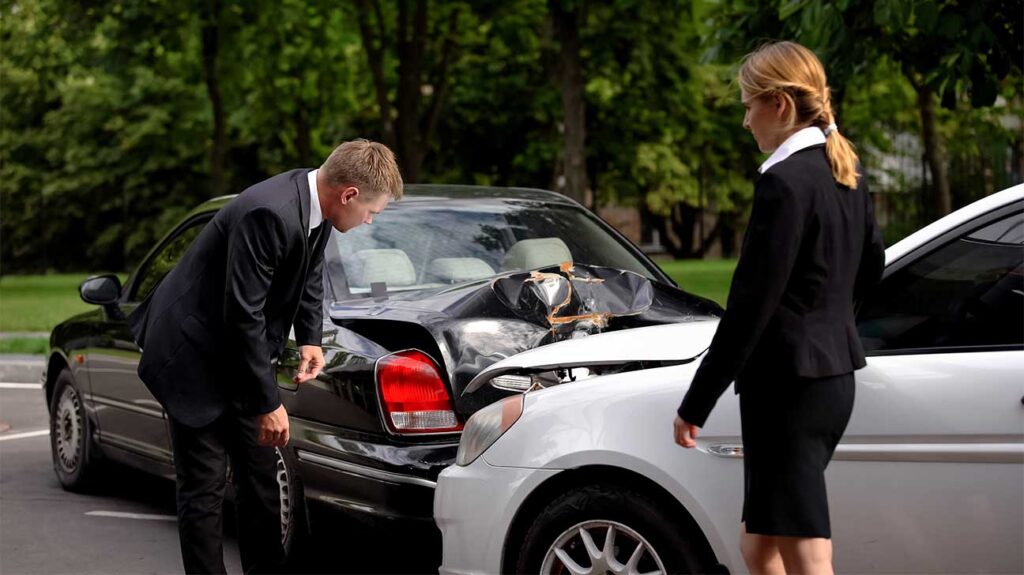
Imagine a self-driving vehicle suddenly brakes while traveling in normal traffic conditions. A collision occurs involving multiple vehicles. An investigation reveals:- The vehicle software misinterpreted road markings.
- The driver failed to respond to system warnings.
- Another driver was following too closely.
Self-Driving Car Accident Checklist
- Call emergency services
- Seek medical treatment
- Document the accident scene
- Obtain witness information
- Preserve medical records
- Save repair estimates
- Keep insurance communications
- Avoid discussing fault
- Consult a car accident attorney