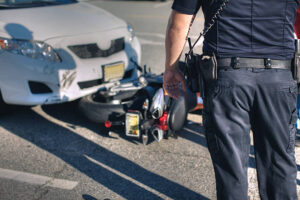
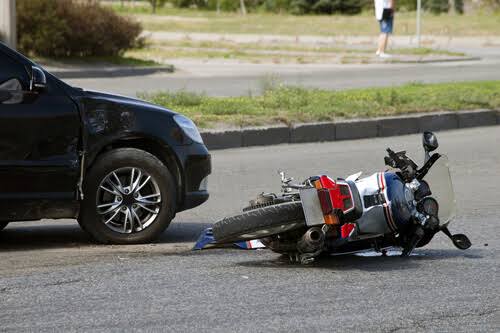
Can a motorcyclist legally run a red light in North Carolina? In most cases, no, even when a signal fails to detect the motorcycle. A crash at a red light raises tricky questions of fault, the Raleigh riders’ advocates at RHD Legal can help you understand the law and pursue compensation when another driver is negligent.
A motorcycle accident lawyer in Raleigh can use this evidence to build a strong claim. 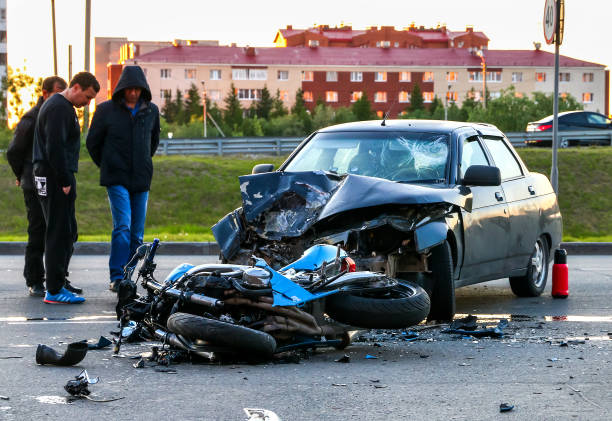
Can a Motorcyclist Legally Run a Red Light in North Carolina?
In general, the answer is no. A steady red light requires drivers and motorcyclists alike to come to a complete stop, and North Carolina does not have a specific “dead red” law that gives motorcyclists a blanket right to proceed through a red signal, even when a sensor fails to detect the motorcycle. If a signal will not change, the safest and most defensible option is to wait for a gap and follow the direction of a law enforcement officer if one is present, rather than assuming it is legal to proceed. Traffic laws change and enforcement can vary by situation, riders should not treat this as legal advice for a specific case. If you were cited or injured at an intersection where a signal failed to detect your motorcycle, a motorcycle accident lawyer in Raleigh can review the facts and explain how the law applies to your situation.Key Takeaways
- Red light motorcycle accidents can result in serious injuries.
- Traffic signal detection issues can create unique challenges for riders.
- Liability depends on the circumstances surrounding the collision.
- Evidence plays a critical role in determining fault.
- Insurance companies may attempt to shift blame onto motorcyclists.
- A motorcycle accident injury lawyer can help protect your rights after a crash.
Why Red Light Intersections Are Dangerous for Motorcyclists
Intersections are among the most common locations for motorcycle accidents. Unlike larger vehicles, motorcycles are less visible and offer limited protection during a collision. When a crash occurs at a red light, riders often suffer severe injuries due to direct impact with another vehicle or the roadway. Common intersection-related motorcycle accidents include:- Left-turn collisions
- Rear-end accidents
- Failure-to-yield crashes
- Distracted driving accidents
- Red light violations
- Unsafe lane changes near intersections
Can Traffic Signals Fail to Detect Motorcycles?
Many traffic signals use sensors embedded in the roadway to detect approaching vehicles, because motorcycles are smaller and lighter than passenger vehicles, some signals may fail to recognize them.Common Reasons Detection Issues Occur
- Motorcycle size
- Sensor malfunctions
- Improper sensor calibration
- Roadway maintenance issues
- Outdated traffic control systems
How Red Light Accidents Often Occur
Even when a motorcyclist follows traffic laws, intersections remain high-risk environments.Scenario 1: A Driver Runs a Red Light
A motorist enters an intersection after the light changes and strikes a motorcycle traveling legally through the intersection.Scenario 2: Failure to Yield During a Left Turn
A driver misjudges the speed of an approaching motorcycle and turns directly into its path.Scenario 3: Distracted Driving
A driver looking at a phone or navigation system fails to notice a stopped motorcycle.Scenario 4: Rear-End Collisions
Motorcyclists waiting at a red light may be struck from behind by inattentive drivers.Common Injuries in Red Light and Intersection Crashes
Due to riders absorbing much of the force in an intersection collision, these crashes often cause serious injuries, including:- Traumatic brain injuries from direct impact
- Spinal cord and neck injuries
- Broken bones, particularly in the legs and pelvis
- Internal injuries
- Road rash and deep lacerations
- Shoulder and collarbone injuries
- Knee and lower-leg injuries
Determining Liability After a Motorcycle Accident
Liability refers to legal responsibility for the accident. Several factors may influence fault determinations.Evidence Commonly Used to Establish Liability
| Evidence Type | Purpose |
| Police Reports | Document accident details |
| Traffic Camera Footage | Verify vehicle movements |
| Witness Statements | Support accident reconstruction |
| Vehicle Damage | Show impact location |
| Medical Records | Connect injuries to the crash |
| Expert Analysis | Explain how the collision occurred |
Who May Be Liable in a Motorcycle Accident?
Liability may extend beyond the driver directly involved in the collision. Potentially responsible parties may include:- Negligent drivers
- Commercial vehicle operators
- Employers of negligent drivers
- Vehicle manufacturers
- Government entities responsible for roadway maintenance
Compensation Available After a Motorcycle Accident
Injured riders may be entitled to recover compensation for various losses.Economic Damages
These may include:- Medical expenses
- Future medical treatment
- Lost wages
- Loss of earning capacity
- Property damage
Non-Economic Damages
These may include:- Pain and suffering
- Emotional distress
- Loss of enjoyment of life
- Permanent disability
- Disfigurement
Motorcycle Accident Claim Checklist
After a collision, consider taking the following steps:At the Scene
- Call emergency services
- Seek medical attention
- Obtain witness information
- Take photographs
- Cooperate with law enforcement
After Leaving the Scene
- Follow medical recommendations
- Preserve evidence
- Save medical bills
- Document missed work
- Notify your insurance company
- Consult a motorcycle accident injury lawyer
Common Mistakes Riders Should Avoid After a Crash
Delaying Medical Treatment
Insurance companies may argue that delayed treatment indicates the injuries were not serious.Admitting Fault
Avoid making statements that could be interpreted as accepting responsibility.Accepting an Early Settlement
Initial offers may not reflect the full value of the claim.Posting on Social Media
Photos and comments may be used against you during the claims process.Why Motorcycle Accident Cases Require Special Attention
Motorcyclists often face unfair assumptions from insurance companies and opposing parties. Common stereotypes may lead insurers to:- Dispute liability
- Minimize injuries
- Shift blame onto riders