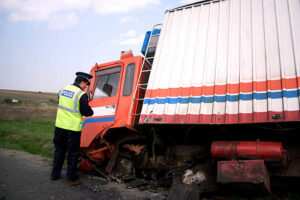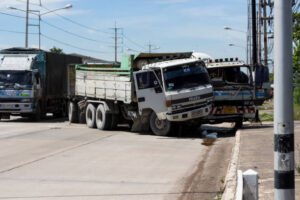

Commercial trucking traffic is a constant part of daily life across Wake Forest and greater Wake County. While large trucks deliver necessary goods throughout the Research Triangle, collisions involving commercial vehicles tend to involve greater injury, more responsible parties, and higher insurance limits than ordinary automobile accidents. Understanding Wake Forest truck accident liability, the insurance layers that apply to commercial carriers, and the key trucking routes around Wake Forest gives residents a practical foundation for identifying risks and responding to an incident when it occurs.
This guide explains liability principles under North Carolina law, outlines how trucking insurance works, highlights federal safety rules that apply to motor carriers, and maps out common Wake Forest truck routes and intersections where commercial collisions are more likely. Anyone with questions about a specific accident can speak with a Wake Forest truck accident attorney to understand options based on individual circumstances.
The Nature of Truck Collisions in Wake Forest
Large trucks travel through Wake Forest to access Raleigh, Durham, and distribution points across central North Carolina. These vehicles can weigh more than 20 times the average passenger car, so the physical forces involved during a collision often produce more severe damage and a more complicated legal process.
Investigations often involve:
- Multiple corporate parties
- Federal safety rules
- Electronic logging data
- Vehicle maintenance documentation
- Commercial insurance carriers
Because truck accidents rarely involve a single point of failure, determining responsibility requires a structured review of every contributing factor.
FMCSA Rules: The Federal Safety Framework
Truck drivers operating commercial vehicles must follow regulations established by the Federal Motor Carrier Safety Administration (FMCSA). These rules are meant to reduce fatigue, mechanical failures, and hazardous cargo risks.
Key FMCSA Regulatory Categories
FMCSA rules address several areas vital to road safety:
- Hours of Service: Federal limits govern how long a driver may be behind the wheel without rest. Logs must document operations and rest intervals.
- Mandatory Rest Breaks: Drivers must rest specific amounts of time between shifts. Violations can support findings of negligence if fatigue contributed to a collision.
- Cargo Securement: Loads must be properly balanced and secured to prevent shifting, falling, or rollover events. Improperly secured cargo is a frequent contributing factor in serious incidents.
- Safety Inspections: Vehicles must undergo regular inspections, and documentation must be maintained. Failure to follow inspection procedures can create liability for carriers or maintenance providers.
- Electronic Monitoring Systems: Electronic logging devices (ELDs) record driving time and compliance automatically. These records are often central evidence during liability investigations.
FMCSA rules do not eliminate collision risks, but non-compliance can be an important factor when determining responsibility after a crash involving commercial carriers traveling through Wake Forest.
Wake Forest Truck Accident Liability Under North Carolina Law
Liability in commercial trucking cases involves state negligence rules combined with federal safety regulations. Responsibility may involve several parties, including the truck driver, the trucking company, a cargo loading contractor, manufacturers of defective parts, or third-party maintenance companies.
Contributory Negligence in North Carolina
North Carolina applies a strict contributory negligence doctrine. If an injured claimant contributed even slightly to the accident, recovery may be barred. Because trucking collisions involve complex fact patterns, questions of contributory negligence can be detailed and require precise evidence review.
Examples of conduct a carrier might claim as contributory negligence include:
- Failing to yield
- Speeding
- Distracted driving
Documentation, black box data, and witness testimony often become central in determining how this rule applies.
Parties That May Share Liability
Responsibility may fall on more than one entity. Understanding each party’s potential role helps explain why commercial collisions differ from simpler automobile crashes.
- Driver Liability: A driver may be responsible for fatigue, speeding, distracted driving, or hours-of-service violations.
- Trucking Company Liability: Carriers may be responsible for unsafe delivery schedules, inadequate training, lack of vehicle inspection, or negligent hiring.
- Cargo Loading Company Liability: If improperly secured cargo shifts or falls, responsibility may involve a separate loading contractor that had no direct connection with driving operations.
- Manufacturer Liability: If defective brakes, tires, or other components contribute to a collision, product liability principles may apply to manufacturers.
- Maintenance Company Liability: Routine maintenance performed incorrectly can create responsibility for third-party service providers.
Multi-Layer Insurance in Trucking Cases
Commercial trucking insurance uses layered coverage rather than a single automobile policy. When a collision occurs, several different policies may apply. Understanding these separate insurance components is central to assessing financial responsibility after a crash in Wake Forest.
- Primary Liability: Covers injuries and property damage caused by the driver during commercial operations. Federal regulations require minimum limits above ordinary auto policies.
- Excess or Umbrella Liability: Large trucking companies often maintain excess layers above their primary coverage to protect against major losses.
- Cargo Coverage: Covers damage to transported goods or loss associated with improper loading or cargo shifting.
- Non-Trucking Liability (Bobtail Coverage): Covers periods when a truck is operating without a trailer or outside commercial business operations.
- Uninsured and Underinsured Motorist Coverage: May apply if another vehicle contributed to an accident but lacked sufficient insurance.
Insurance Minimums for Interstate Carriers
Federal rules require minimum coverage levels based on the cargo carried.
Cargo Type | Minimum Coverage Required |
General Freight | $750,000 |
Petroleum Products | $1,000,000 |
Hazardous Materials | $5,000,000 |
Trucks traveling on US-1, NC-98, and Capital Boulevard may carry hazardous materials requiring significantly higher insurance limits.
Local Wake Forest Truck Routes
Wake Forest sits at the edge of major transportation corridors connecting central and eastern North Carolina. Understanding Wake Forest truck routes helps residents anticipate where heavier commercial traffic is most likely.
- US-1: A major north-south commercial route, frequently used by long-distance carriers and regional distribution vehicles.
- NC-98: An important east-west corridor connecting Wake Forest with Durham and other Research Triangle destinations.
- Capital Boulevard: One of the busiest areas for commercial trucking, with frequent merging, lane shifts, and congestion.
- Industrial Access Roads: Warehousing facilities near the outskirts of Wake Forest generate regular truck traffic, especially during morning and afternoon delivery periods.
High-Risk Intersections and Locations in Wake Forest
Some Wake Forest locations see greater truck activity and higher collision potential due to merging patterns, industrial traffic, and turning movements.
Examples include:
- US-1 and NC-98 interchange
- Capital Boulevard near major retail centers
- Intersections near industrial parks
- Areas undergoing roadway construction
- Retail delivery access points during peak hours
These areas involve high commercial turning movements, frequent merging, and congestion, especially at morning and evening delivery periods.
Evidence Used to Determine Wake Forest Truck Accident Liability
Investigation into commercial collisions often includes a detailed review of the following documentation:
- Onboard electronic logging data
- Black box collision metrics
- Driver qualification files
- Dispatcher communications
- Cargo weight records
- Maintenance documentation
- Dash camera footage
This information may help identify violations of FMCSA requirements or prove negligence beyond ordinary driving errors.
What To Do After a Truck Accident in Wake Forest
Steps immediately following an incident may include:
- Contacting emergency services
- Obtaining medical evaluation
- Documenting the scene if safe
- Identifying witnesses
- Avoiding statements about fault
Due to North Carolina’s contributory negligence rules, statements made at the scene may later affect responsibility assessments.
Long-Term Considerations After Serious Truck Accidents
Truck collisions can involve significant physical injury, emotional effects, and long term rehabilitation. Recovery can involve time away from employment, ongoing treatment, or future medical care. People often speak with a Wake Forest truck accident attorney to understand available options.
Local Enforcement and Trucking Oversight
Wake Forest and Wake County participate in roadway safety inspections, commercial vehicle monitoring, and public awareness initiatives. Enforcement cannot prevent every collision, but compliance efforts reduce some risks related to commercial traffic.
Truck Accident Trends and Regional Growth
Population growth and ongoing construction continue to increase traffic around Wake Forest. The expansion of warehousing and distribution networks in central North Carolina suggests that commercial truck traffic will likely remain significant.
Practical Route Tips for Local Drivers
Residents often benefit from following these safety tips:
- Allowing extra following distance
- Using alternate routes during construction
- Anticipating merging trucks on US-1 and Capital Boulevard
- Approaching retail delivery areas with caution
Final Action: Secure Your Truck Accident Claim
Understanding the complexity of Wake Forest truck accident liability, including FMCSA rules, multi-layer insurance, and the local risks on US-1 and NC-98, is the first step toward protecting your rights. However, recognizing the complexity is different from successfully managing a claim against powerful trucking companies and commercial insurers.
If you or a loved one has been involved in a serious commercial vehicle accident, don’t face the insurance adjusters alone.
Contact us today for a free, comprehensive consultation. We will review the unique factors of your case, determine all liable parties, and guide you through the process of pursuing the maximum compensation available.
Frequently Asked Questions
What makes commercial truck accidents different from ordinary vehicle collisions?
Truck accidents usually involve multiple responsible parties, federal regulations (FMCSA), and commercial insurance layers, which require a much more detailed and complex investigation than standard car crashes. These factors contribute to the severity and difficulty of litigating these cases.
Who may be responsible if cargo shifts or falls?
Liability may involve the driver, the carrier, or a cargo loading contractor, depending on who inspected, secured, and controlled the load according to federal cargo securement rules. All parties involved in the loading process must ensure compliance.
Are trucking insurance limits higher than car insurance?
Yes. Federal rules require significantly higher minimum coverage amounts for commercial carriers, with some specialized cargo requiring policies up to $5 million. This difference reflects the potential for catastrophic damage in truck accidents.
What is contributory negligence?
Contributory negligence is a North Carolina legal rule that can bar recovery if the injured party contributed in any way to the cause of the accident, even slightly. This makes proving sole liability crucial for any successful personal injury claim in the state.
Should someone speak with a lawyer after a commercial collision?
People often seek legal guidance because trucking cases involve complex insurance layers and multiple corporate responsible parties. An attorney can help navigate the stringent contributory negligence defense and properly value the claim. For more information, please visit our Truck Accident Lawyer.